Lalia 26-30 Giant Paper Flowers: A Practical Guide to Flawless DIY Decor
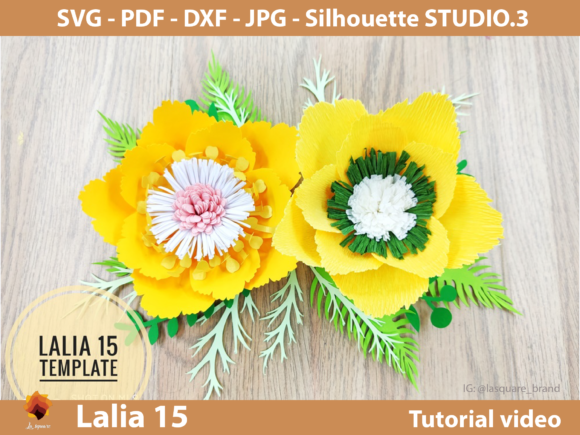
If you are looking to transform a plain room into a stunning event space without breaking the bank, Lalia 26-30 Giant Paper Flowers offers a compelling solution. This specific set is designed for creators who want large-scale impact with manageable effort. Unlike standard floral arrangements that wilt or require constant maintenance, these paper blooms provide permanent beauty for weddings, baby showers, nurseries, and home decor projects. However, simply purchasing the files does not guarantee a professional result. Many enthusiasts stumble when they underestimate the material choices or fail to select the correct file format for their cutting machine.
The allure of giant paper flowers lies in their versatility. Whether you are an entrepreneur launching a rental business or a hobbyist decorating a child's nursery, the ability to scale from XXS to XXXL allows for limitless creativity. Yet, the difference between a amateur-looking project and a high-end installation often comes down to preparation. Before you download the templates, it is crucial to understand what this package includes and how to navigate common pitfalls that can waste your time and materials.
Understanding the Lalia 01-40DIY Package Contents
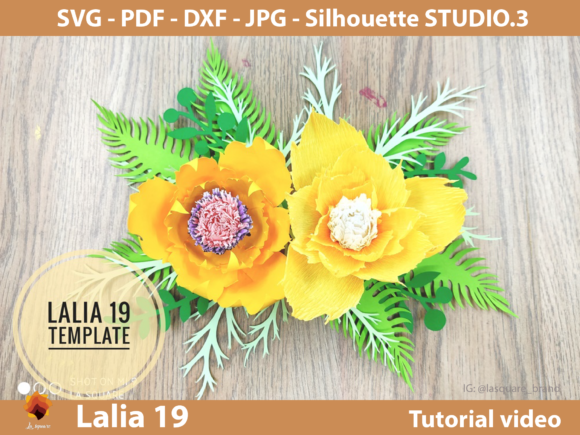
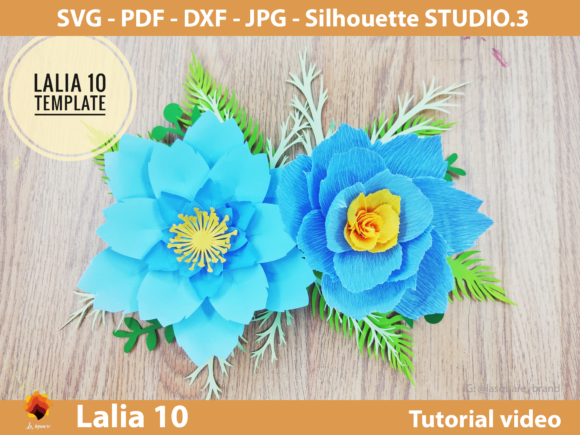
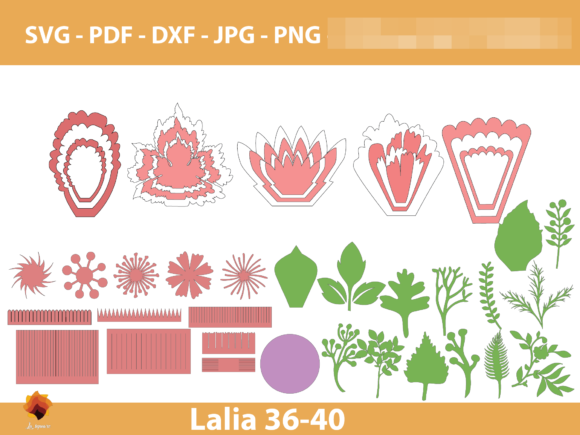
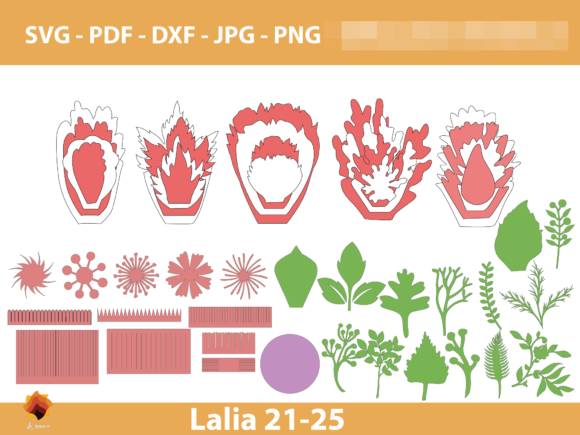
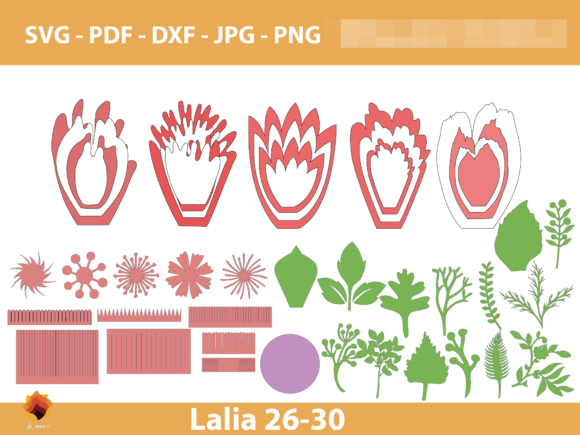
This collection is more than just a few flower shapes; it is a comprehensive toolkit. The set features five distinct templates (Lalia 26-30) specifically curated for creating massive, statement-making blooms. When you acquire this package, you are receiving a robust library of digital assets including PDF, SVG, DXF, PNG Transparent, and JPG files. This variety is essential because different workflows require different formats.
A critical component often overlooked is the inclusion of centers and leaves. The package provides 12 unique paper flower centers and 12 corresponding leaf templates. These small details are what give the flowers their dimension and realism. Without them, the blooms can look flat and artificial. Additionally, the set comes with common tutorials and a size guide, ensuring that even beginners have a roadmap for assembly. Remember, while the digital files are instant downloads, the physical output depends entirely on how you interpret the instructions.
Selecting the Right File Format for Your Machine
One of the most frequent mistakes crafters make is assuming all file types work equally well for every machine. If you own a Cricut or Silhouette cutter, the distinction between SVG and DXF is vital. For complex designs with intricate curves and layered elements, using an SVG file is generally superior for Cricut machines. The SVG format preserves the vector data perfectly, allowing the software to handle cuts and layers with precision.
Conversely, if you are using a Silhouette machine or need compatibility across multiple platforms, the DXF file is highly recommended. It is widely accepted by both major brands and ensures clean cuts even on detailed patterns. Beginners sometimes try to cut directly from a PDF, which can lead to registration issues where the blade cuts slightly off-center. While PDFs are excellent for hand-cutting or printing as a reference, relying on them for machine cutting without conversion can result in wasted material.
For those planning to use Photoshop or other design software, the PNG transparent files are invaluable. They allow you to visualize the layout before cutting. However, do not attempt to cut from a JPG or PNG unless you are tracing manually; these are raster images, not vectors, and will cause your machine to struggle or produce jagged edges. Always check your machine's manual to confirm supported formats before starting your project.
Material Selection: Beyond Just Paper
The quality of your final product is heavily influenced by the substrate you choose. While the name "Paper Flowers" suggests cardstock, the Lalia 26-30 templates are versatile enough to be crafted from crepe paper, clay, fabric, foam, and silk. Each material offers a distinct aesthetic and structural challenge.
Cardstock is the easiest option for beginners. It holds its shape well and is forgiving during assembly. However, if you want the soft, ruffled look typical of high-end wedding decor, crepe paper is the superior choice. The problem arises when users apply heavy cardstock to a design meant for delicate crepe paper. The resulting flower may look stiff and unnatural, defeating the purpose of the giant scale. Similarly, attempting to cut thick foam or clay with a standard household knife rather than a sharp rotary blade can crush the material or tear the edges.
When working with fabrics like silk, you must consider how the adhesive interacts with the surface. Some glues soak through thin fabrics, leaving unsightly stains. To avoid this, test your adhesives on a scrap piece first. Another common error is ignoring the weight of the flower. A giant flower made of heavy clay requires a much stronger backing than one made of tissue paper. Failing to account for weight can lead to backdrops collapsing under the load.
Avoiding Assembly and Scaling Errors
Sizing is another area where many projects go awry. The templates allow you to create flowers ranging from XXS to XXXL, but scaling up introduces geometric challenges. When you enlarge a design significantly, the proportions of the petals and the center must remain consistent. If you stretch the image non-uniformly in your design software, the flower will look distorted.
Furthermore, the assembly process for giant flowers requires patience. Rushing the layering of petals can result in a bloom that looks messy rather than lush. Ensure you follow the tutorial sequence strictly. A common mistake is skipping the "hand-cut" step for the inner layers when using a machine. Sometimes, machine cuts are too perfect for organic-looking flowers, and a slight hand-trim adds necessary texture. Do not assume the machine does everything for you.
Another oversight involves the backdrop structure. Creating the flowers is only half the battle; mounting them securely is the other. Users often buy cheap adhesives that fail over time, causing expensive decorations to fall. For large installations, mechanical fasteners like fishing line or heavy-duty staples are often better than glue alone. Always plan your mounting strategy before you cut the first petal.
Evaluating Your Project Before You Begin
Before diving into the Lalia 26-30 Giant Paper Flowers project, take a moment to evaluate your resources. Do you have the right cutting mat for the thickness of your chosen material? Is your blade sharp enough to handle multiple layers of cardstock or foam? Have you downloaded the supplementary JPG and PNG files from the drive if you plan to hand-cut?
It is also wise to check the complexity of the design relative to your skill level. If you are a beginner, start with a single flower at a smaller scale to test your technique. Once you master the assembly and material handling, you can confidently scale up to the giant sizes required for backdrops. This approach prevents the frustration of wasting hours on a large project that fails due to a fundamental error.
By understanding the nuances of file formats, selecting appropriate materials, and respecting the scaling requirements, you can ensure your DIY decor projects are successful. The Lalia 01-40DIY set provides all the tools you need, but your attention to detail will determine the final outcome. Whether you are creating a romantic wedding arch or a playful nursery wall, taking the time to avoid these common mistakes will save you money and elevate your creative results.