Peony Box: Elevating Digital Crafting with Versatile File Formats
The landscape of modern crafting has shifted dramatically from simple paper cutting to a sophisticated ecosystem where digital design meets physical creation. At the heart of this evolution is Peony Box, a platform that has become synonymous with high-quality, versatile design assets for makers and professionals alike. As we move further into an era where customization defines personal expression and brand identity, the ability to seamlessly transition between digital files and physical outputs has never been more critical.
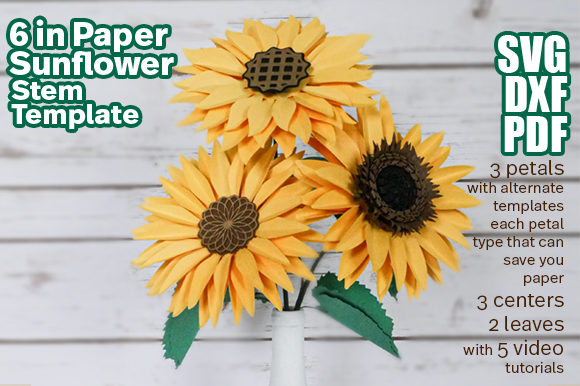
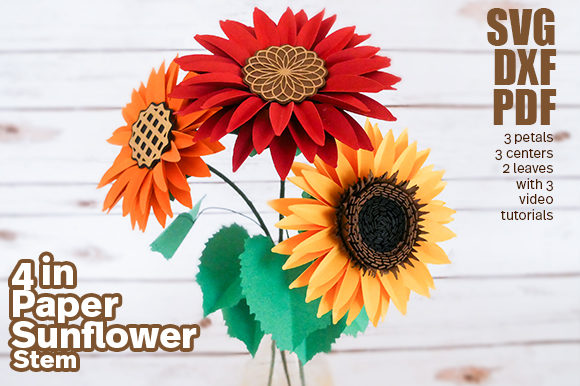
Whether you are a hobbyist looking to create unique home decor or a business owner scaling production for custom merchandise, the tools at your disposal dictate your efficiency. Peony Box addresses a specific pain point in the creative workflow: compatibility. By offering designs in multiple formats including SVG, DXF, and PDF, it ensures that your vision remains intact regardless of the machine you use. This flexibility is not merely a convenience; it is a necessity in a market dominated by diverse ecosystems like Cricut Design Space, Silhouette Studio, and Scan-N-Cut.
The Evolution of Digital Crafting Workflows
Gone are the days when a single software format was sufficient for all projects. The rise of smart cutting machines has democratized manufacturing, allowing individuals to produce intricate designs that were previously reserved for industrial settings. However, this accessibility brought a fragmentation issue. Users found themselves locked into specific brands because their favorite designs only worked on one platform. This limitation stifled creativity and forced creators to purchase duplicate assets or learn complex workarounds.
Peony Box emerged as a response to this fragmentation. The platform recognizes that the future of crafting lies in interoperability. By providing comprehensive file packages, they have bridged the gap between different hardware manufacturers. This shift reflects a broader trend in consumer behavior where users demand seamless integration across devices. People no longer want to be tethered to a single ecosystem; they want the freedom to switch between a Cricut Maker 3 for quick weekend projects and a Silhouette Cameo for detailed professional work without losing access to their design library.
This evolution also mirrors changes in professional workflows. Freelancers and small business owners often need to adapt quickly to client requests. A client might ask for a design cut on a specific machine, or a creator might need to scale up production using a different tool. Having a robust library of files that includes SVG for vector editing, DXF for CAD compatibility, and PDF for raster-based scanning allows professionals to pivot instantly. It reduces downtime and ensures that the final product matches the initial concept perfectly.
Navigating the Format Landscape: SVG, DXF, and PDF
To understand why Peony Box is so relevant, one must appreciate the technical nuances of the file formats they provide. Each format serves a distinct purpose within the creative process, and mastering them unlocks the full potential of your cutting machine.
- SVG (Scalable Vector Graphics): This is the gold standard for most modern cutting machines. SVG files contain mathematical paths rather than pixels, meaning they can be resized infinitely without losing quality. In Cricut Design Space, SVGs allow for precise layering and color separation, which is essential for multi-color vinyl projects or layered paper crafts. Peony Box's SVG files are optimized to ensure that every node and path is clean, reducing the time spent on "repairing" files before cutting.
- DXF (Drawing Exchange Format): While less common in hobbyist circles, DXF is vital for professionals who integrate crafting into larger design pipelines. If you use Adobe Illustrator, CorelDRAW, or even AutoCAD, DXF is often the preferred import format. It preserves the geometry of the design while allowing for manipulation within professional graphic software. For businesses creating signage or architectural models, having a DXF version of a Peony Box design means you can adjust dimensions to fit specific structural requirements before sending the job to the cutter.
- PDF (Portable Document Format): The inclusion of PDF files in these bundles caters to a different workflow, particularly for those using the Scan-N-Cut or machines that rely on image recognition. PDFs act as a bridge for users who prefer to scan a printed design or import a static image to trace. This is particularly useful for photo tutorials or when working with textured materials where a direct vector cut might not capture the desired aesthetic. It adds a layer of versatility that purely vector-based libraries often lack.
Compatibility Across Major Platforms
The true value of Peony Box lies in its universal compatibility. The platform understands that the market is not monolithic. Different users swear by different ecosystems, and a successful design provider must serve them all equally.
For users of Cricut Design Space, the experience is streamlined. When you upload a Peony Box SVG, the software automatically detects the layers, allowing for easy weeding and application. Whether you are making t-shirts, mugs, or wall decals, the precision of the cut lines ensures a professional finish. The platform supports the latest Cricut features, such as Print Then Cut, ensuring that your colorful illustrations are registered accurately by the camera sensors.
Similarly, Silhouette Studio users benefit immensely from the DXF and SVG options. Silhouette Studio offers advanced editing tools that rival professional graphic software. By importing a Peony Box file, users can utilize the "Weld," "Intersect," and "Slice" functions to modify designs to their exact specifications. This level of control is what separates amateur projects from professional-grade output. The ability to open a file in Silhouette and immediately begin editing without conversion errors saves hours of frustration.
The support for Scan-N-Cut highlights the forward-thinking approach of the content creators. Canon's Scan-N-Cut line relies heavily on its ability to recognize shapes and patterns from images. The PDF and raster-friendly versions provided by Peony Box allow these machines to identify cut lines effectively, even when working with complex patterns or hand-drawn styles. This ensures that users of this specific hardware do not feel left out of the premium design community.
Practical Implications for Creators and Businesses
For the everyday creator, the implications of having access to multi-format files are profound. It empowers experimentation. You can start a project on your desktop computer using a PDF tutorial, refine the design in Silhouette Studio, and then export it for a Cricut if needed. This fluidity encourages learning and skill development. Instead of being limited by the software you own, you are limited only by your imagination.
For entrepreneurs and small business owners, efficiency is currency. Time spent troubleshooting file errors is time taken away from production, marketing, and customer service. By sourcing designs from a reliable provider like Peony Box, business owners can trust that their inventory will be consistent. They can order bulk materials, knowing that the digital templates will align perfectly with the physical cuts. This reliability builds trust with customers who expect high-quality, durable products.
Furthermore, the availability of tutorials compatible with these formats helps demystify the technology. Many beginners hesitate to enter the crafting world due to the perceived complexity of the software. Clear, step-by-step guides that demonstrate how to handle SVGs in Cricut or DXFs in Silhouette lower the barrier to entry. This educational aspect fosters a more inclusive community where skills are shared and growth is accelerated.
Looking Ahead: Trends and Future Adaptations
As we look toward the future, the trend is clear: customization and personalization will continue to dominate. Consumers are moving away from mass-produced goods toward items that tell a story or reflect individual tastes. Peony Box is positioned at the forefront of this movement by providing the raw materials—digital designs—that make this possible.
We are also seeing a rise in hybrid workflows where digital and physical realms blend. Augmented reality (AR) markers, interactive packaging, and smart textiles are becoming more common. The ability to manipulate vector data (SVG/DXF) alongside raster data (PDF) will be crucial for integrating these technologies. A designer might need to cut a shape for a physical package while simultaneously preparing a digital overlay for a smartphone app. Multi-format libraries facilitate this convergence.
Moreover, the sustainability angle cannot be ignored. Efficient file usage means fewer failed cuts and less wasted material. When a design is optimized for the specific machine it is used on, the likelihood of error drops significantly. This reduction in waste aligns with the growing eco-consciousness among both creators and consumers. By choosing platforms that prioritize high-quality, compatible files, the industry takes a step toward more sustainable practices.
In conclusion, the relevance of Peony Box extends far beyond a simple repository of clipart. It represents a solution to the complexities of modern digital crafting. By embracing a variety of formats and ensuring compatibility across major platforms, it empowers users to focus on what matters most: creating beautiful, functional, and meaningful objects. Whether you are designing a wedding invitation, launching a new apparel line, or simply enjoying a rainy afternoon with a craft knife, the right tools make all the difference. As the technology evolves, the demand for flexible, high-quality resources will only grow, making Peony Box an essential partner in the journey of the modern maker.