Mastering the Slimline Card Envelope: A Comprehensive Guide to Precision and Style
In the evolving landscape of paper crafting, digital design, and personalized gifting, the demand for precision tools has never been higher. Among the myriad of options available, the Slimline Card Envelope stands out as a versatile solution that bridges the gap between traditional card making and modern digital fabrication. Measuring exactly 9.75 x 3.5 inches when folded, this specific dimension offers a unique aesthetic profile that is both elegant and practical. Whether you are a professional graphic designer, an educator teaching craft skills, or a hobbyist looking to elevate your stationery game, understanding the intricacies of this format is essential.
The standard envelope often feels too bulky for certain artistic expressions, while standard cards can appear generic. The slimline format solves this by offering a sleek, elongated silhouette that commands attention. This guide explores the technical specifications, creative applications, and workflow considerations necessary to maximize the potential of the Slimline Card Envelope and its accompanying embellishment panels.
Understanding the Specifications and Design Architecture
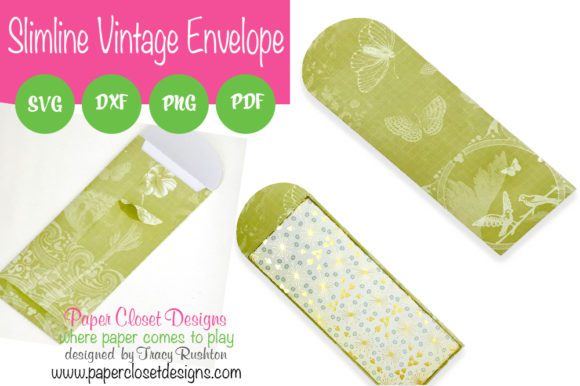
The core utility of any crafting template lies in its precise measurements. The Slimline Card Envelope is engineered with a folded size of 9.75 x 3.5 inches. This specific ratio is not arbitrary; it is designed to accommodate "slimline" cards perfectly without excess bulk. When paired with the included outside embellishment panel, the design transforms from a simple container into a cohesive piece of art.
The file structure provided for this project is robust, catering to various levels of technical expertise. It includes:
- SVG Files: Scalable Vector Graphics that allow for infinite resizing without loss of quality, perfect for cutting machines like Cricut or Silhouette.
- DXF Files: Drawing Exchange Format files compatible with a wide range of vector software and older cutter models.
- Design Space Integration: Specifically optimized layers that include perforation lines and score lines, ensuring clean folds and easy assembly.
- PDF Templates: High-resolution printable guides for those who prefer manual scoring or tracing methods.
A critical component of this design is the inclusion of score lines within the digital files. For users working with digital cutters, these lines are crucial. They must be attached before the cutting process begins to ensure the machine cuts through the material at the correct depth. Without proper scoring, the cardstock may crack or fail to fold cleanly, compromising the structural integrity of the final product.
Workflow Optimization for Digital Cutting Machines
For professionals and creators utilizing digital cutting technology, the efficiency of the workflow is paramount. The Slimline Card Envelope is designed to integrate seamlessly with industry-standard hardware, including the Cricut Design Space ecosystem, Silhouette Cameo, Portrait, Brother Scan and Cut, and other digital cutters.
To achieve optimal results, the user should follow a structured approach during the setup phase. First, import the zipped file containing the SVG, DXF, and PDF components. If using Cricut Design Space, ensure that the score lines are set to the "Score" tool function rather than "Cut." This distinction prevents the blade from slicing through the fold line, which would ruin the envelope's ability to close securely. Similarly, for Silhouette Studio users, assigning the correct line type to the score marks ensures the machine applies pressure rather than cutting through the material.
The versatility extends beyond just the envelope itself. The design allows for the integration of printed papers and custom cardstocks. By layering different textures—such as matte, glossy, or textured cardstock—the creator can add depth to the Slimline Card Envelope. The outside embellishment panel serves as a canvas for these variations, allowing the outer shell to contrast beautifully with the inner card or remain monochromatic for a minimalist look.
Creative Applications and Use Cases
The utility of the Slimline Card Envelope extends far beyond simple greeting cards. Its dimensions and design make it suitable for a diverse array of applications across different industries and hobbies.
Personalized Gifting and Events
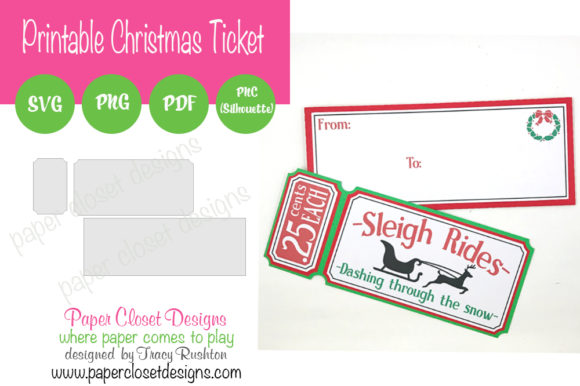
For event planners and wedding coordinators, the slimline format is ideal for invitations, RSVP cards, and place settings. The elongated shape fits neatly into a bouquet or a gift basket without taking up excessive space. Furthermore, the ability to use the Vintage Ticket Slimline Card in conjunction with this envelope creates a thematic consistency that elevates the perceived value of the invitation suite.
Educational and Research Contexts
Educators and researchers can utilize these templates for creating interactive learning materials. The Slimline Card Envelope can serve as a holder for flashcards, research notes, or small samples. The inclusion of perforation lines allows for easy separation of contents, making it a functional tool for classroom activities or field research data collection.
Business and Corporate Branding
Small business owners and entrepreneurs often seek cost-effective ways to brand their communications. A custom-printed Slimline Card Envelope featuring a company logo on the outside embellishment panel can serve as a sophisticated packaging solution for digital download products, gift cards, or promotional flyers. The professional finish achieved through digital cutting ensures that even small batches maintain high-quality standards.
Material Selection and Customization Strategies
One of the most significant advantages of the Slimline Card Envelope is the freedom it offers regarding material selection. While standard envelopes often come pre-made with limited texture options, this DIY approach allows creators to choose their preferred stock.
Cardstock Variety: Experimenting with different weights of cardstock is key. Heavier stocks (around 80lb to 100lb) provide durability and a premium feel, while lighter stocks offer flexibility for intricate designs. Using printed papers adds another layer of creativity. Patterns, photographs, or custom illustrations can be adhered to the outside embellishment panel to create a truly unique piece.
Integration with Vintage Themes: The design pairs exceptionally well with vintage aesthetics. By combining the Slimline Card Envelope with printable Vintage Ticket Slimline Card files, creators can evoke a sense of nostalgia. This combination works particularly well for themed parties, retro-style weddings, or historical reenactments where attention to detail is paramount.
When selecting materials, consider the folding properties of the paper. Some heavily textured or coated papers may require a burnishing tool to ensure crisp folds. Others may need a light mist of water to relax the fibers before scoring. Understanding the behavior of your chosen media is a hallmark of expert craftsmanship.
Technical Considerations for Assembly
While the digital files provide the blueprint, the physical assembly requires attention to detail. The inclusion of perforation lines in the Slimline Card Envelope file suggests that some designs may feature tear-away sections or modular components. Users should verify the intended function of these lines before cutting.
If the design utilizes score lines that must be attached before cutting, the process involves grouping the elements within the design software. This step ensures that the machine processes the entire layout as a single unit, maintaining alignment between the cut lines and the score marks. Failure to group these elements correctly can result in misaligned folds, leading to an envelope that does not close properly.
Additionally, the zipped file format containing multiple extensions (SVG, DXF, PDF) highlights the importance of having the right software suite. Professionals might prefer working with Adobe Illustrator for complex adjustments, while hobbyists may find the native interfaces of Cricut or Silhouette more intuitive. The availability of a PDF template ensures that even those without access to vector editing software can still produce high-quality results by printing and manually cutting or tracing the design.
The Intersection of Tradition and Technology
The creation of a Slimline Card Envelope represents a fascinating convergence of traditional paper arts and modern digital technology. Historically, card making was a purely manual endeavor, reliant on hand-cutting and freehand scoring. Today, the precision of digital cutters allows for repeatability and consistency that was previously unattainable.
This shift does not diminish the artistry involved; rather, it enhances it. By automating the cutting process, creators can focus more on the design elements, such as color theory, pattern mixing, and embossing techniques. The Slimline Card Envelope serves as a vehicle for this evolution, providing a reliable framework upon which endless creative possibilities can be built.
Whether used for a heartfelt birthday message, a corporate announcement, or an educational project, the final product reflects the care taken in its creation. The ability to customize every aspect, from the dimensions to the material, ensures that each Slimline Card Envelope tells a unique story.
Conclusion on Versatility and Value
The Slimline Card Envelope is more than just a container; it is a foundational element for a wide range of creative projects. With its precise 9.75 x 3.5-inch folded dimensions, compatibility with major digital cutting platforms, and flexible file formats, it caters to a broad audience ranging from casual hobbyists to seasoned professionals. The inclusion of the outside embellishment panel and the option to pair it with Vintage Ticket Slimline Card files further expands its utility, allowing for complex and layered designs.
By leveraging the provided SVG, DXF, and PDF resources, users can streamline their workflow and produce consistent, high-quality results. The emphasis on score lines and perforation features demonstrates a thoughtful approach to usability, ensuring that the final product is not only visually appealing but also structurally sound. As the world of paper crafts continues to evolve, tools like the Slimline Card Envelope will remain essential for those seeking to blend innovation with tradition.