Panda: The Bridge Between Digital Design and Physical Craft
In the rapidly evolving landscape of digital fabrication, a quiet revolution is taking place in home studios and professional workshops alike. At the heart of this shift is Panda, a tool that has transcended its initial definition to become a critical component in modern creative workflows. For creators aged 20 to 50 who navigate the intersection of technology and tangible art, Panda represents more than just software; it is the essential link that transforms abstract concepts into physical reality.
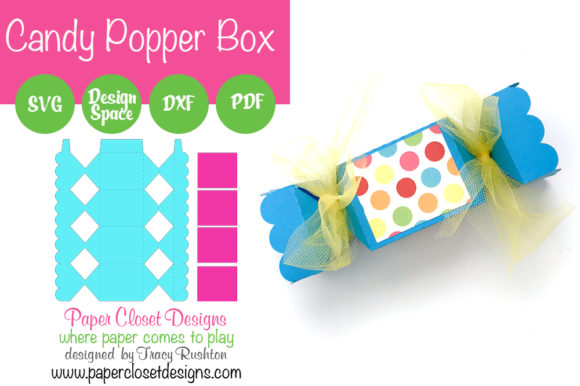
The relevance of Panda today cannot be overstated. As we move away from rigid, proprietary ecosystems toward more fluid, interoperable design processes, the ability to seamlessly convert files across different formats has become a non-negotiable skill. Whether you are a freelancer designing custom merchandise for an e-commerce brand, an educator creating classroom materials, or a hobbyist crafting personalized gifts, the workflow often breaks down when file compatibility fails. This is where the capabilities of converting between SVG, DXF, PDF, and SVG come into play, ensuring that your vision remains intact regardless of the cutting machine you choose.
Why File Interoperability Matters in Modern Workflows
The history of digital cutting machines is marked by fragmentation. For years, Silhouette Studio users found themselves locked out of designs created for Cricut Design Space, while Scan-N-Cut owners faced their own unique format restrictions. These barriers forced creators to waste hours manually recreating designs or settling for lower-quality exports that compromised the final cut. The evolution of tools like Panda addresses this specific pain point directly.
Modern business needs demand speed and versatility. A marketing agency might need to produce a batch of stickers on a Cricut machine one day and large-format banners using a Silhouette cutter the next. If the source file is a complex DXF meant for CAD software, it often requires conversion before it can be imported into consumer-grade cutting software. Without a robust converter, the project stalls. Panda streamlines this process, allowing professionals to focus on design rather than troubleshooting file errors.
- Efficiency: Reducing the time spent on file preparation allows for faster turnaround times on client projects.
- Flexibility: Creators are no longer tied to a single hardware ecosystem, enabling them to choose the best machine for the specific job.
- Cost-Effectiveness: By eliminating the need for multiple expensive software licenses to handle different file types, small businesses can optimize their budgets.
Navigating the Format Landscape: From Vector to Raster
Understanding the technical nuances of file formats is crucial for anyone serious about digital crafting. The transition from PDF to SVG or DXF is not merely a change of extension; it is a fundamental shift in how data is interpreted by the machine. PDFs are excellent for preserving layout and text but often lack the editable vector paths required for precise cutting. When you use Panda to convert a PDF, you are unlocking the underlying geometry, making lines and shapes editable within Silhouette Studio or Cricut Design Space.
This capability is particularly vital for photo tutorials and image-based projects. Many creators start with a raster image—a photograph or a scanned drawing—that they wish to turn into a cut file. Traditional methods often resulted in pixelated edges or failed cuts. Advanced conversion tools now allow for high-fidelity tracing and vectorization, ensuring that even intricate details from a photo tutorial are preserved when converted to a format compatible with the Scan-N-Cut or other vinyl cutters.
The DXF format, long a standard in the engineering world, has found a new life in the crafting community. It offers a universal language for vector graphics, bridging the gap between professional CAD software and entry-level cutting machines. By supporting the import and export of DXF files, Panda empowers engineers and architects to repurpose their technical drawings for artistic applications without needing to learn entirely new software suites.
Adapting to Changing Creative Habits
User expectations have shifted dramatically in recent years. The "maker" movement has matured, moving from simple DIY projects to sophisticated commercial ventures. Today's creator expects a seamless experience that mirrors the efficiency of mainstream software. They do not want to deal with broken paths, missing fonts, or incompatible layers. The trend is clearly toward integration and automation.
For entrepreneurs and bloggers, this means that content creation is no longer siloed. A blogger promoting a craft kit can create a video tutorial using one set of assets, then instantly convert those assets into a downloadable PDF guide or a ready-to-cut SVG file for their audience. This fluidity enhances the user experience and builds trust with the community. When a creator provides a file that works perfectly out of the box, they reduce friction and increase satisfaction.
Furthermore, the rise of remote work and freelance opportunities has necessitated a portable skillset. Professionals must be able to collaborate across platforms. If a client sends a SVG file designed for Cricut, but the production team uses Silhouette, the ability to convert and adapt that file becomes a revenue-generating skill. Panda serves as the universal translator in this scenario, ensuring that communication between designer and manufacturer remains clear and effective.
Practical Implications for Different User Groups
The impact of robust file conversion tools varies depending on the user's role, but the benefits are universally applicable.
For Educators and Hobbyists
Teachers often find themselves working with limited budgets and diverse student needs. Being able to take a free resource from the internet, which might be in a proprietary format, and convert it into a PDF or SVG compatible with their school's available machines is invaluable. It democratizes access to high-quality educational materials. Hobbyists benefit similarly, gaining the freedom to explore thousands of online design libraries without worrying about whether their specific machine can read the file.
For Business Owners and Marketers
Small business owners selling custom products face tight margins. Every minute saved on setup time translates to higher profitability. The ability to quickly iterate on designs—changing a logo from a DXF to a SVG for a different product line—allows for rapid experimentation. Marketers can also leverage this flexibility to create localized campaigns, adapting designs for different regions or machines without starting from scratch.
For Freelancers and Agencies
Freelancers operate on the edge of client demands. One day they might be producing signage for a local event, requiring large-scale PDF handling, and the next, they are creating intricate jewelry tags using SVG precision. A reliable conversion tool ensures that the freelancer's reputation remains intact, as they can deliver exactly what the client needs, regardless of the technical constraints of the production environment.
The Future of Digital Crafting
Looking ahead, the convergence of AI and traditional cutting technologies will only deepen the need for smart file management. As AI tools generate more complex vector designs, the ability to parse, clean, and convert these outputs into machine-ready formats will be paramount. We are moving toward a future where the distinction between "designing" and "preparing for production" blurs. Tools like Panda are laying the groundwork for this integrated future.
However, realism is key. While technology advances, the human element of creativity remains central. No amount of file conversion can replace the vision of the artist. The goal of these tools is to remove obstacles, not to automate the soul of the craft. By handling the tedious technicalities of format compatibility, Panda allows the creator to focus on what truly matters: the story behind the design and the quality of the finished piece.
As we continue to embrace new trends and adapt to changing market preferences, the importance of a flexible, robust workflow becomes clearer. Whether you are cutting vinyl for a t-shirt, engraving wood for a sign, or preparing a detailed diagram for a workshop, the underlying requirement is the same: reliability. In an era defined by digital noise, Panda stands out as a signal of clarity, ensuring that your creative intent is faithfully translated into the physical world.
Ultimately, the choice of tools defines the boundaries of our creativity. By embracing solutions that support SVG, DXF, PDF, and SVG conversions across platforms like Cricut Design Space, Silhouette Studio, and Scan-N-Cut, creators open up a world of possibilities. It is a step forward in a journey that values innovation, practicality, and the endless potential of human ingenuity.