Strawberry Box: A Practical Guide to Digital Craft Files for Cutting Machines
The world of digital crafting has expanded rapidly, offering enthusiasts a vast array of resources to bring their creative visions to life. Among the many options available today, the Strawberry Box design file has garnered significant attention from hobbyists and professional designers alike. This specific resource is not merely a single image but a comprehensive package designed to bridge the gap between digital creation and physical production. For those evaluating their next project, understanding the nuances of this file type is essential for making an informed decision.
At its core, the Strawberry Box represents a specialized collection of cut files tailored for modern electronic cutting machines. Unlike standard clipart or raster images that often require extensive editing before they can be used on a plotter, this package is delivered in a format ready for immediate application. The inclusion of both SVG and PNG formats within a convenient zip file ensures versatility across different software ecosystems. Whether you are using Silhouette Studio, Cricut Design Space, Scan N Cut, or Adobe Illustrator, the flexibility provided by these file types addresses the varying technical requirements of each platform.
Understanding the Format and Technical Compatibility
The distinction between various file formats often determines the success of a craft project. The Strawberry Box utilizes a dual-format approach that caters to both vector-based and raster-based workflows. The SVG (Scalable Vector Graphics) component is particularly valuable for users of cutting machines like Cricut and Silhouette. Vectors allow designs to be scaled infinitely without losing resolution, which is critical when creating everything from small stickers to large wall decals. This capability means that a single download can serve multiple projects of varying sizes.
Conversely, the PNG (Portable Network Graphics) files included in the archive offer a different set of advantages. These high-resolution raster images are ideal for users who prefer working in photo-editing software like Adobe Illustrator or those who need to apply complex textures and effects before cutting. The presence of a PNG version ensures that even if a user's software does not fully support advanced vector operations, the design remains crisp and usable. By providing both formats within a single zip file, the Strawberry Box eliminates the common frustration of having to recreate or trace a design manually.
Software Ecosystems and Workflow Integration
Different cutting platforms operate with distinct logic, and the ability to adapt to these systems is a key strength of the Strawberry Box. For instance, Silhouette Studio users often rely heavily on the proprietary features of their software, while Cricut Design Space operates within a cloud-based environment. The design files are structured to function seamlessly in both contexts. Users importing the SVG into Cricut Design Space will find that the layers are organized logically, allowing for easy manipulation of colors and materials without the need for complex grouping or ungrouping steps.
Similarly, professionals utilizing Adobe Illustrator benefit from the clean paths inherent in the SVG structure. This allows for precise adjustments to stroke weights, fills, and node points before sending the job to a cutter or printer. The inclusion of the Zip file container further streamlines the process, as it keeps all necessary assets together, reducing the risk of missing components during the upload phase. This level of organization reflects a thoughtful approach to user experience, ensuring that the transition from digital file to physical object is as smooth as possible.
Evaluating Strengths and Potential Tradeoffs
When comparing the Strawberry Box to other design resources, several factors stand out. The primary advantage lies in its compatibility and completeness. Many alternative offerings may provide only one file type or require additional purchases to access different sizes. In contrast, this package delivers a complete solution in a single transaction. This all-in-one nature is particularly beneficial for beginners who may not yet understand the technical differences between vector and raster graphics, as well as for experienced users who value efficiency.
However, it is important to acknowledge potential tradeoffs. While the file formats are versatile, the quality of the final output still depends on the user's hardware and material choices. A high-quality SVG file cannot compensate for a low-resolution printer or a dull blade. Furthermore, some users who prefer highly customized, hand-drawn aesthetics might find pre-made designs like the Strawberry Box less flexible than commissioning a custom illustration. The design is fixed in its geometry; while it can be resized and recolored, the fundamental shape remains constant unless significant editing is performed.
Another consideration is the learning curve associated with managing multi-layered files. Although the Strawberry Box is designed for ease of use, projects involving complex layering may require time to organize correctly in software like Scan N Cut. Users accustomed to simple, single-layer cuts might initially find the process of separating elements slightly more involved. Yet, this complexity is often what allows for greater creativity, enabling users to create multi-colored projects or layered cards that would be impossible with simpler alternatives.
Decision Factors: When to Choose This Resource
Determining whether the Strawberry Box is the right choice depends largely on your specific project goals and technical comfort level. If your primary objective is to produce high-quality, scalable designs quickly without spending hours tracing images, this resource is likely an excellent fit. It is particularly well-suited for commercial applications where consistency and speed are paramount, such as creating merchandise for small businesses or producing event signage.
For hobbyists looking to explore new techniques, the inclusion of both SVG and PNG formats offers a unique educational opportunity. Users can experiment with how vector paths behave differently compared to raster images, gaining a deeper understanding of digital design principles. This comparative aspect makes the file not just a tool for production, but also a resource for skill development. Those who enjoy experimenting with layering, masking, and color blending will find the structure of this file particularly accommodating.
Conversely, if your workflow relies exclusively on simple, one-color cuts and you do not plan to resize your designs significantly, you might find that a simpler, lower-cost option suffices. In scenarios where budget is the primary constraint and customization is minimal, investing in a comprehensive package like the Strawberry Box may seem excessive. However, for most users who value longevity and versatility, the initial investment often pays off through repeated use across diverse projects.
Comparative Analysis with Alternative Approaches
In the broader landscape of digital crafting, options range from free community-shared files to premium subscription services. Free resources often lack the polish and organization found in dedicated packages like the Strawberry Box. Community files can be hit-or-miss regarding file integrity, sometimes containing broken paths or incorrect layer structures that waste time during setup. Subscription models, while offering vast libraries, can become costly over time if specific designs are needed infrequently.
The Strawberry Box occupies a middle ground that balances cost with quality. It avoids the pitfalls of unreliable free downloads while offering a permanent license that does not require ongoing payments. This model appeals to users who prefer owning their assets outright rather than renting access to them. Additionally, the focus on industry-standard formats ensures that the files remain usable even if the user switches to a different cutting machine brand in the future, providing long-term value that subscription services sometimes fail to guarantee.
Practical Application Scenarios
To illustrate the practical utility, consider the scenario of creating personalized party invitations. Using the Strawberry Box, a designer can quickly import the SVG file, adjust the text fields to match guest names, and print the result on cardstock. The same file can then be resized to create matching cupcake toppers, leveraging the vector scalability. If the invitation requires a textured background effect, the PNG version can be imported into a layout program to add depth before printing. This fluidity between tasks demonstrates the efficiency of having a robust file library.
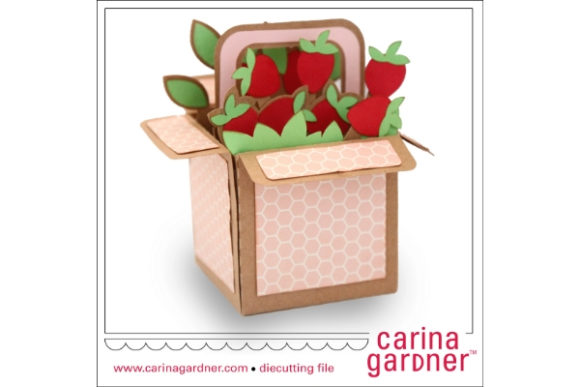
Similarly, for apparel decoration, the precision of the SVG paths ensures that heat transfer vinyl cuts cleanly around intricate details. The ability to separate elements allows for the application of different colors or materials to specific parts of the strawberry design, adding a professional touch to t-shirts or tote bags. Without the proper file structure, achieving this level of detail would require manual tracing, a time-consuming process prone to error.
Final Considerations for the Modern Crafter
Ultimately, the choice of design files should align with your workflow needs and creative ambitions. The Strawberry Box stands out due to its thoughtful preparation, broad compatibility, and dual-format delivery. It respects the user's time by minimizing technical barriers while maximizing creative possibilities. Whether you are a seasoned pro looking to streamline your production line or a beginner eager to start your first cutting project, the versatility offered by this package provides a solid foundation.
As with any tool, the best results come from understanding how to utilize it effectively. Taking the time to explore the capabilities of both the SVG and PNG components will unlock the full potential of the design. By choosing resources that prioritize compatibility and quality, crafters can ensure that their focus remains on the artistry of the project rather than the frustrations of file conversion. In a market saturated with options, the Strawberry Box offers a reliable, practical solution for bringing digital ideas into the physical world.